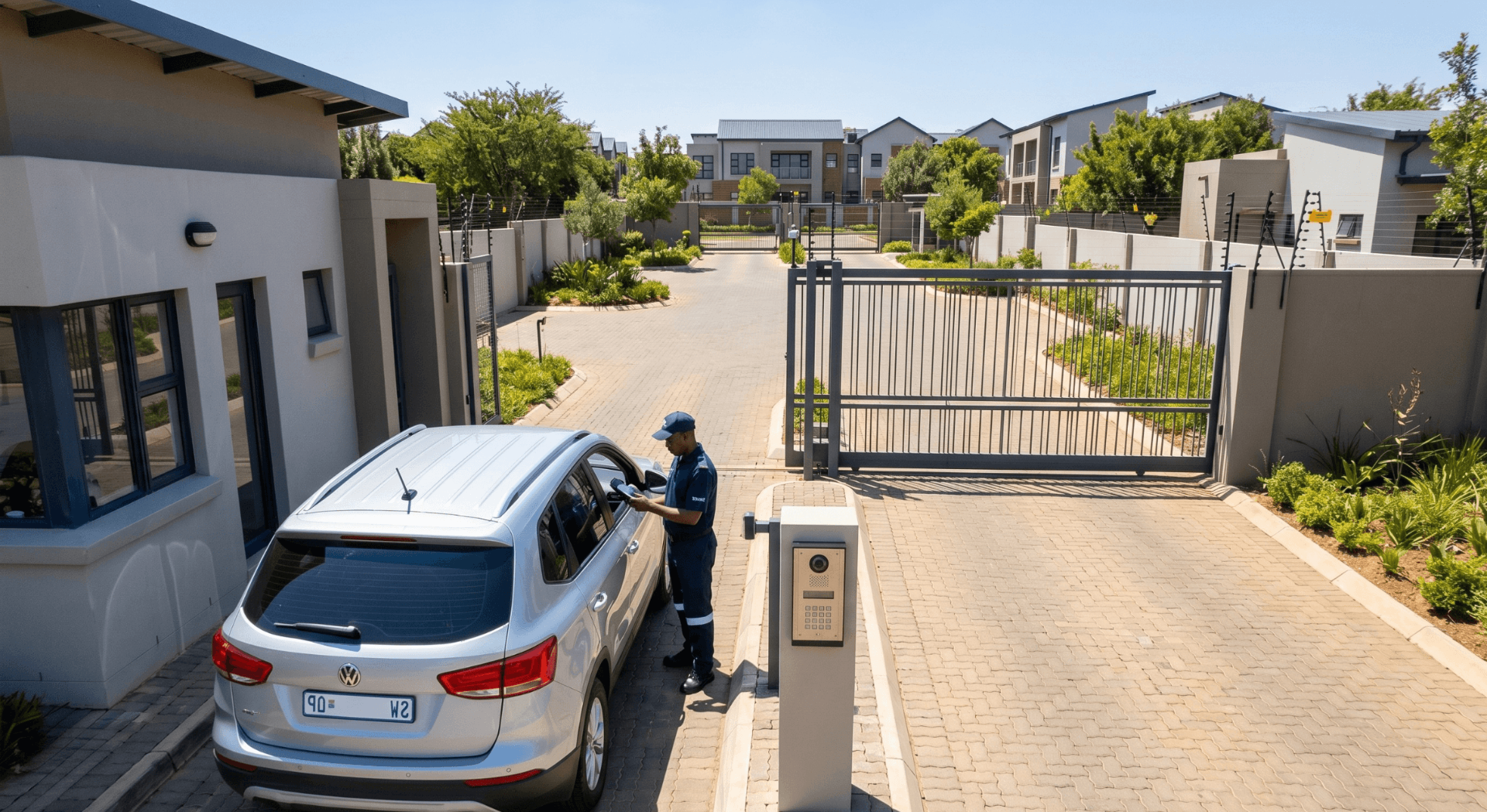
Estate access control governs two very different populations at the same gate: residents, who need to get in quickly and without friction, and visitors, contractors and deliveries, who need to be identified, logged and given access that expires. A working estate system therefore combines vehicle control on the main gate, pedestrian control on the side gate, and a visitor management process at the guardhouse that produces a searchable record instead of a paper book that nobody reads.
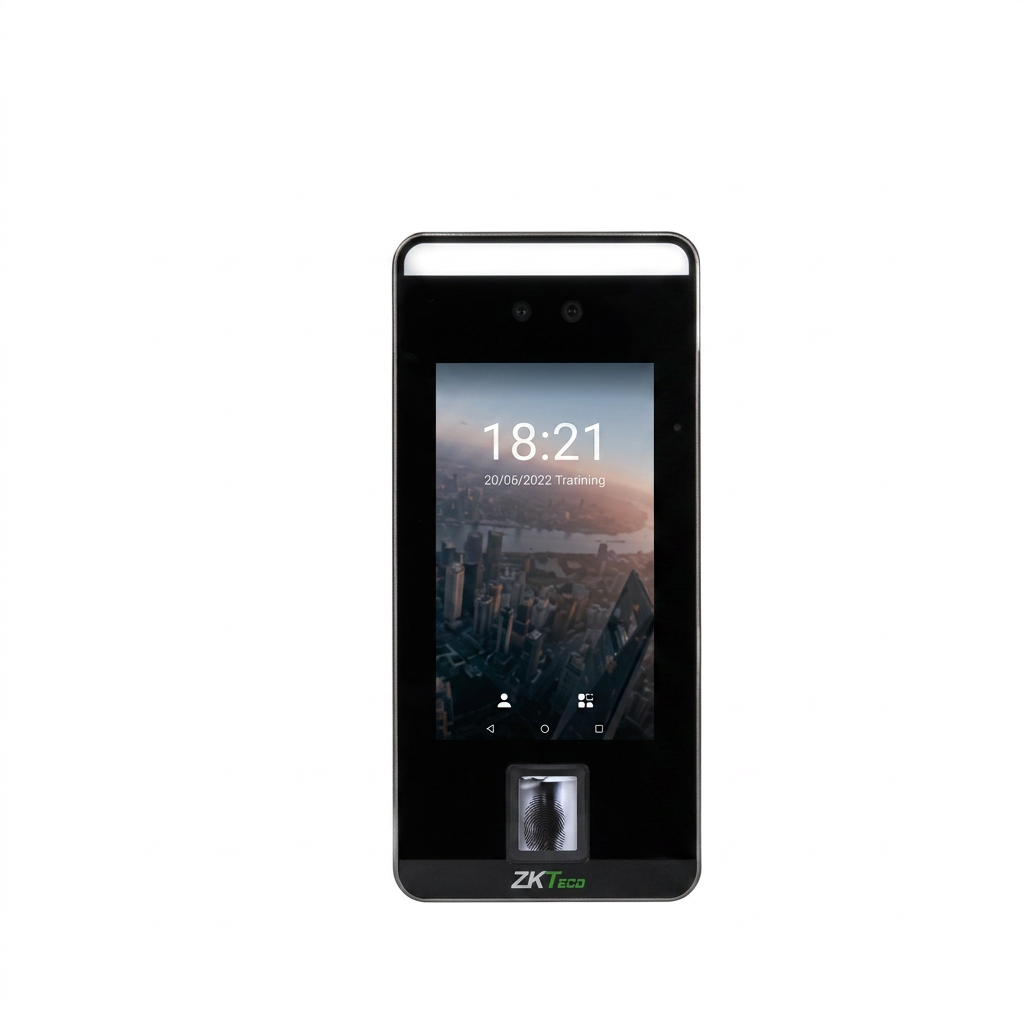
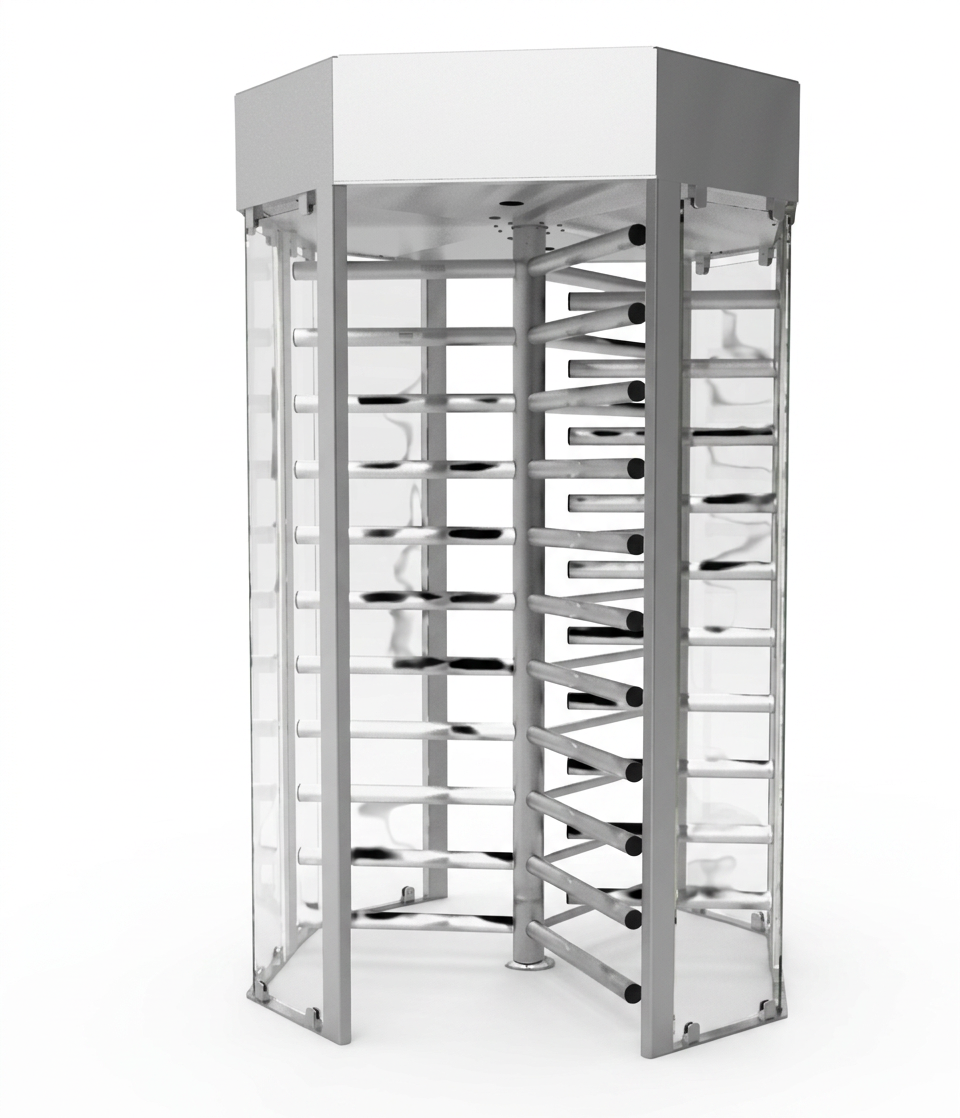
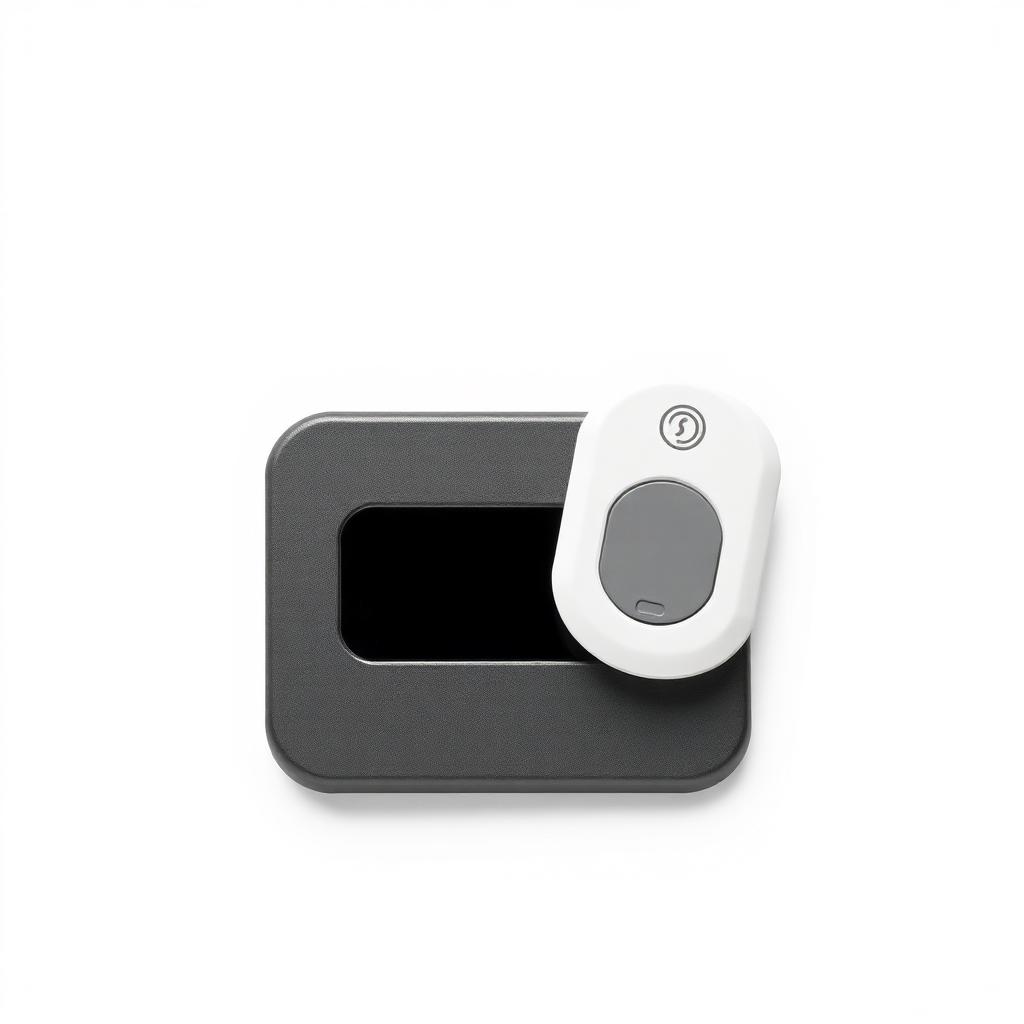
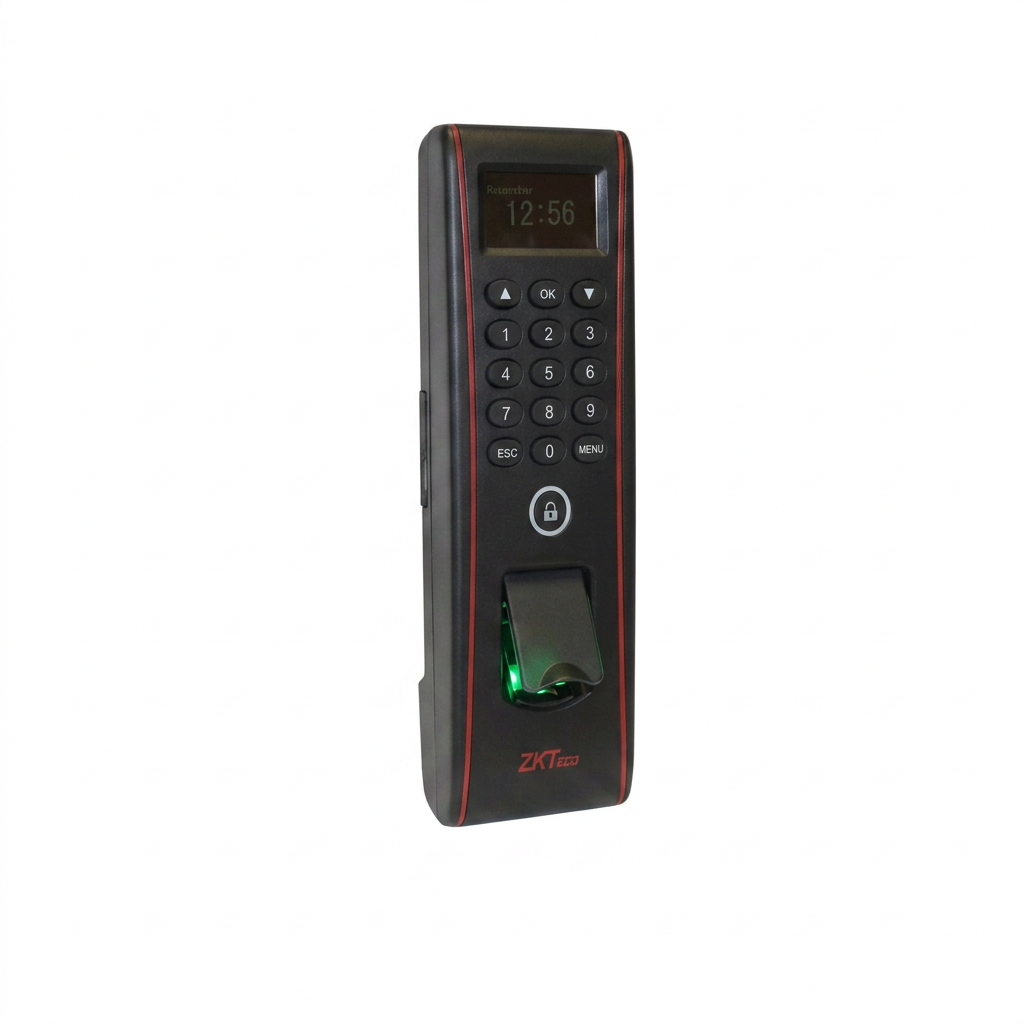
The typical installation on an estate, gated complex or body corporate consists of an automatic boom gate or sliding gate on the vehicle lane, a full-height or waist-height turnstile on the pedestrian gate, RFID tags or biometric readers for residents, and a visitor terminal at the guardhouse. Contractors are issued a temporary credential valid for stated hours. Domestic and garden staff can be enrolled with time-based rules so their access only works on the days they are expected. Every movement is written to the same database, which is what turns a security incident into something you can actually investigate.
Estates have constraints that commercial sites do not. Trustees answer to residents, so the system has to be fast at peak times or it becomes a complaints item. The gate is outdoors, so hardware has to survive weather, dust and, on coastal estates, salt air. Power is intermittent, so battery backup is not optional. And the estate is a residential environment under POPIA, which means visitor data has to be captured for a stated purpose and retained for a defined period rather than indefinitely.
Price is driven by the number of lanes and gates, whether pedestrian and vehicle entrances are separate, the credential technology chosen for residents, the amount of civil work at the gate, and how much backup power is specified. A single boom-gate lane with resident tags is a modest project. A main gate with two vehicle lanes, an entry and exit boom, a pedestrian turnstile, a guardhouse visitor terminal and UPS backup is a phased project with a timeline. We quote per estate after a site visit and will phase the work where the budget needs it.
Typical price range
Visitor management from R15,000; boom gate lanes from R25,000; pedestrian turnstiles from R25,000
Visitor management with a registration terminal and temporary credentials typically starts around R15,000. Automatic boom gate lanes and pedestrian turnstiles are quoted per lane, with civil work, backup power and resident credentials added to the estate's specific layout.